1. Crawl & Indexation (Screaming Frog)
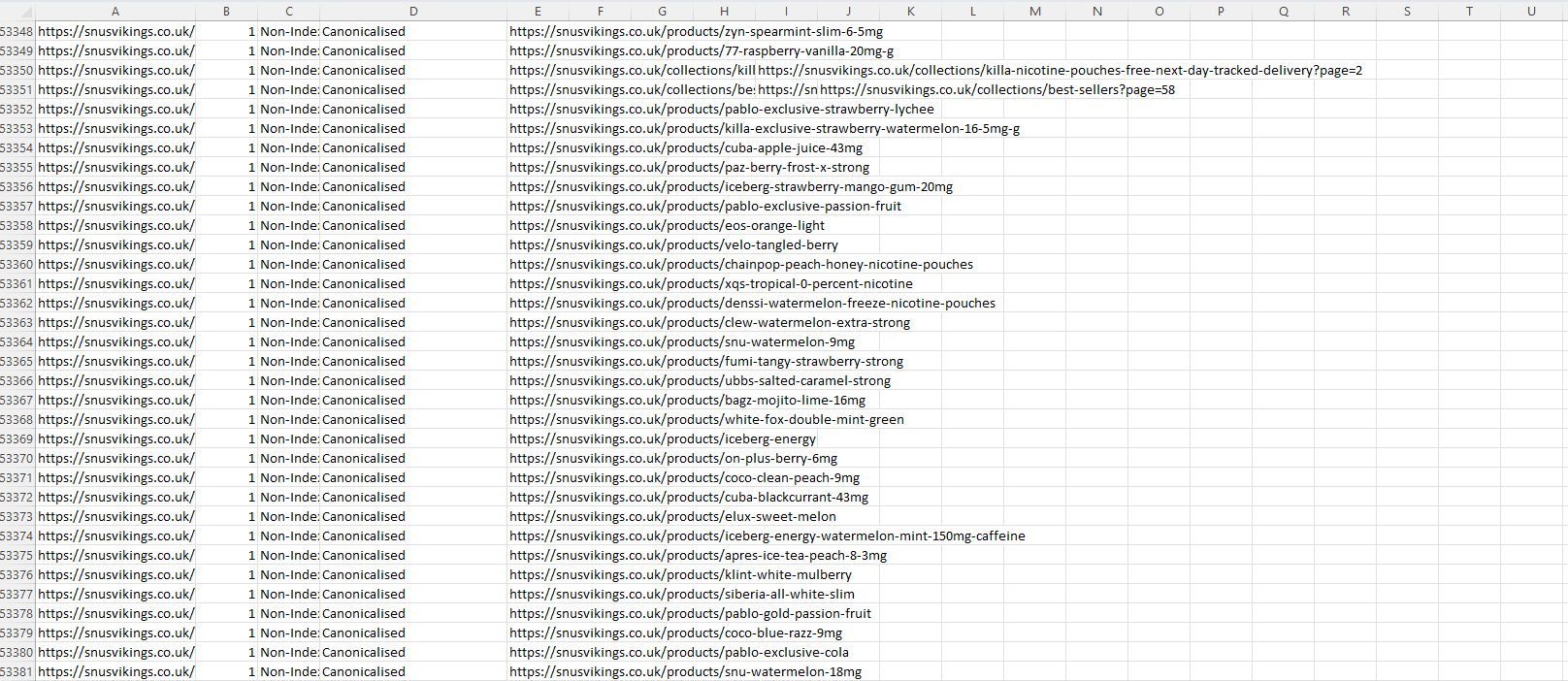
High PriorityCanonicalised
Non Indexable
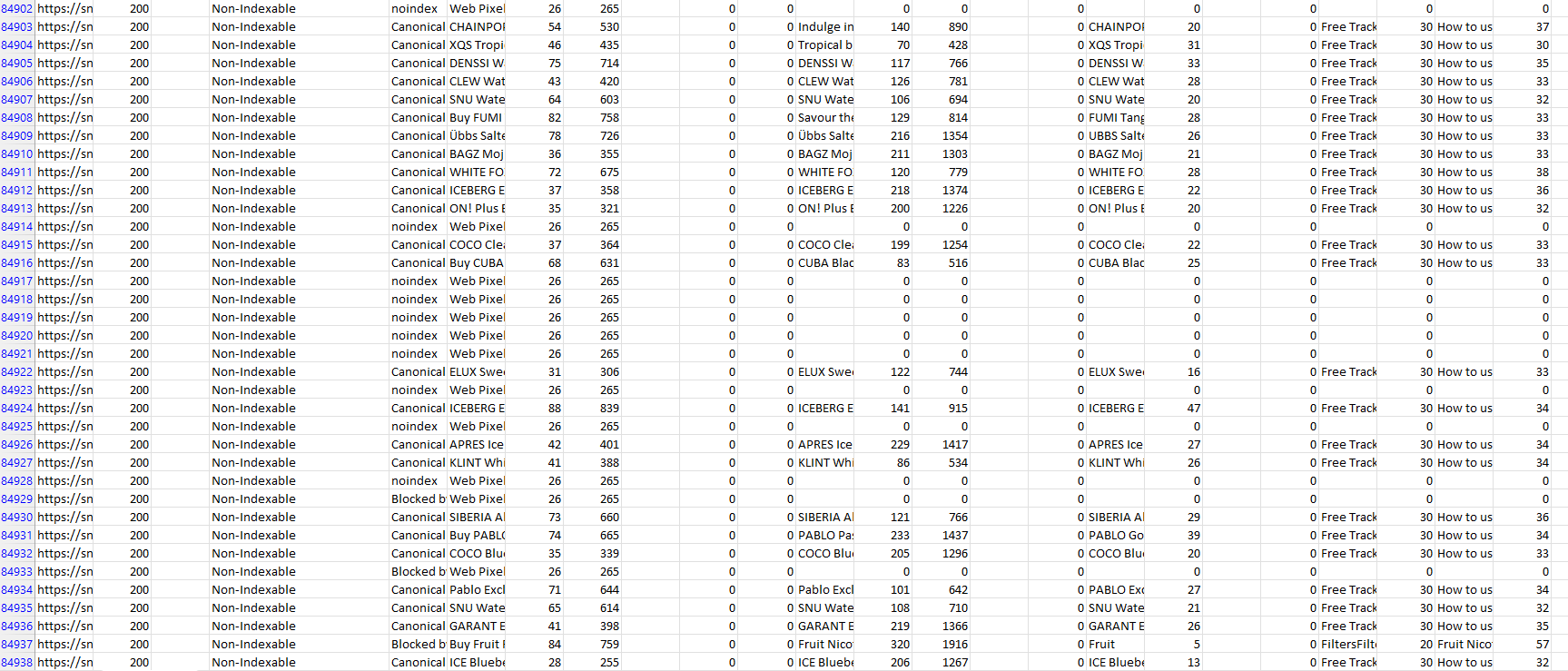
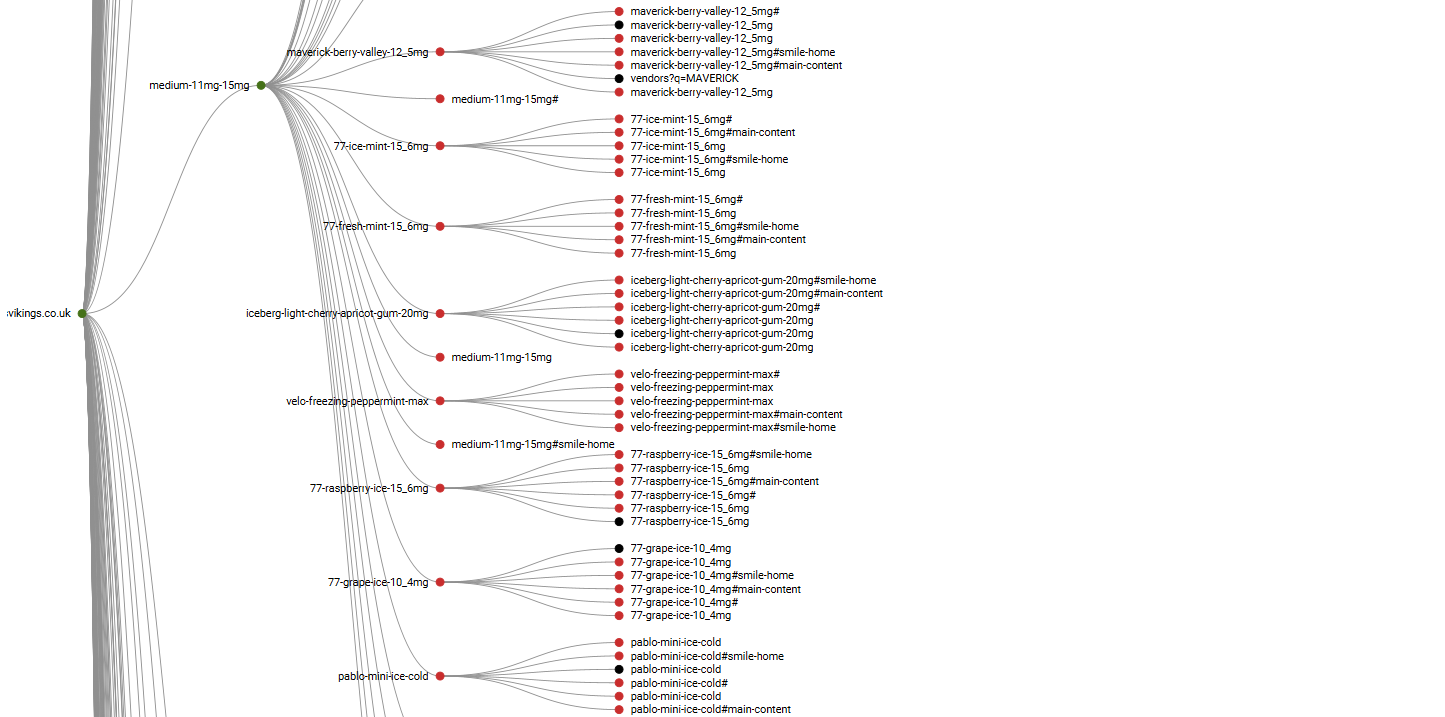
A full crawl of the site highlights a significant imbalance between indexable and non-indexable URLs. The majority of URLs discovered (~84k+) are non-indexable, indicating substantial crawl inefficiency and unnecessary URL expansion.
Key Issues Identified
- Duplicate product URLs via collection paths
- Canonicalised pages still being heavily crawled
- Parameter and app-generated URLs inflating crawl size
- Tracking / pixel URLs appearing in crawl
Suggested Fixes
- Ensure all internal links point to canonical product URLs
- Reduce exposure of collection-based product URLs
- Block unnecessary parameters via robots.txt
- Review theme and app-generated URLs
2. Performance & Page Speed
High PriorityWaterfall
Mobile Performance
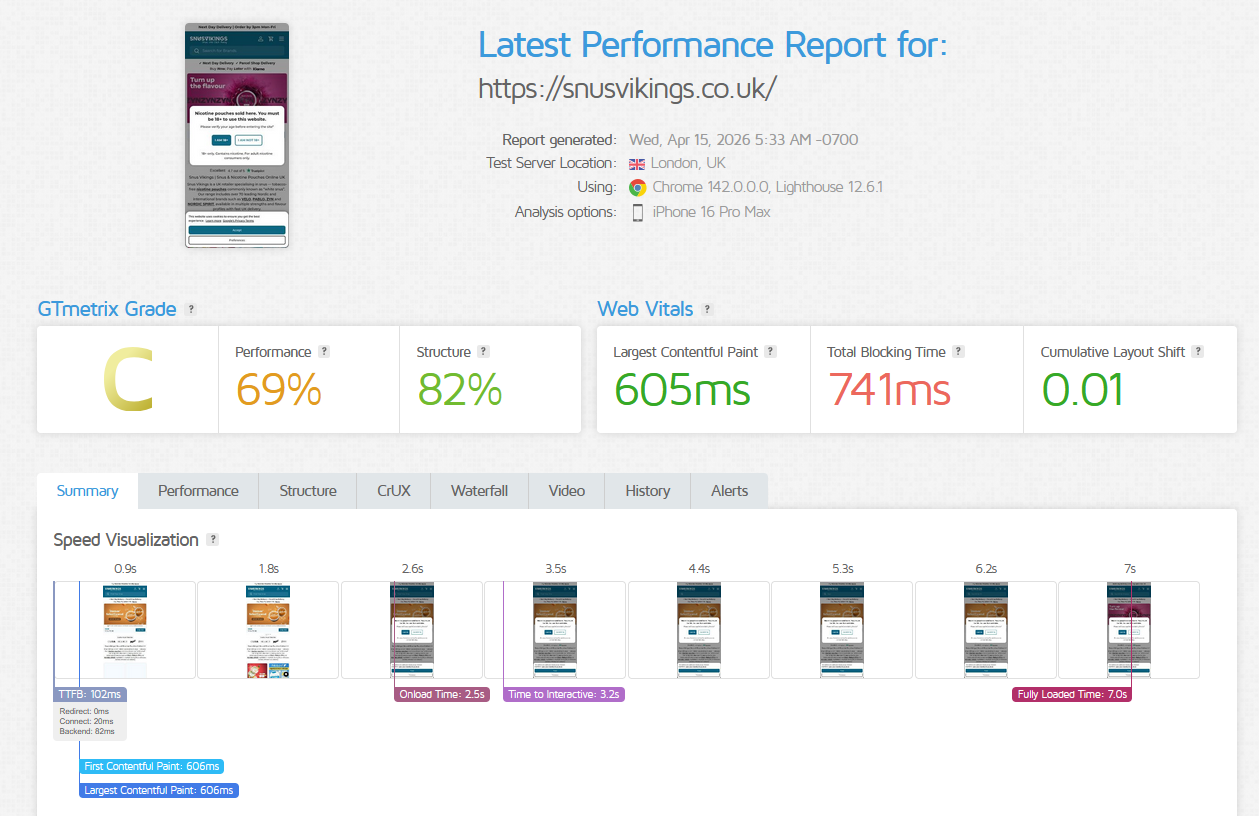
Performance testing was conducted using GTmetrix (London server) and Google PageSpeed Insights to evaluate both lab and real-world performance.
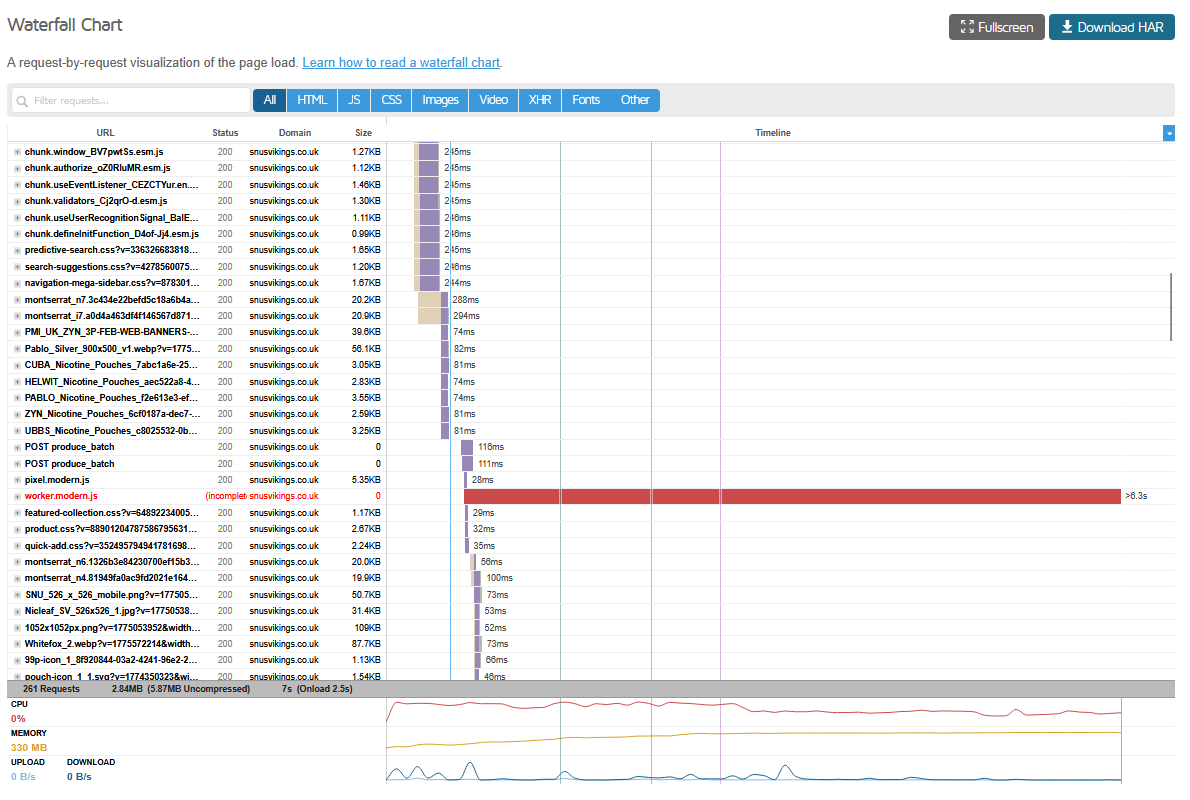
The site loads visually fast, however JavaScript execution delays interactivity. This is typical of Shopify stores with multiple third-party scripts and apps.
Key Issues Identified
- Heavy JavaScript execution delaying interactivity
- Large number of requests (~260+)
- Multiple third-party scripts (Klaviyo, Trustpilot, tracking pixels)
- Unused preloaded resources
- Console errors from third-party scripts
Suggested Fixes
- Audit installed Shopify apps and remove unused ones
- Defer non-essential JavaScript
- Reduce third-party script dependency
- Fix failing scripts and console errors
- Optimise asset loading strategy
3. URL Structure & Duplication
High PriorityProducts are accessible via multiple URL formats, including collection-based paths. While canonical tags are present, these duplicate URLs are still being crawled at scale.
- Use consistent product URL structure (/products/)
- Avoid linking through collection paths
- Review Shopify theme linking logic
4. Technical Cleanup
- Update internal links to remove redirects
- Fix or redirect broken URLs
- Compress and optimise large images
- Ensure each page has a single clear H1
5. Site Architecture & Internal Linking
High PriorityCanonicalised
Crawl Depth
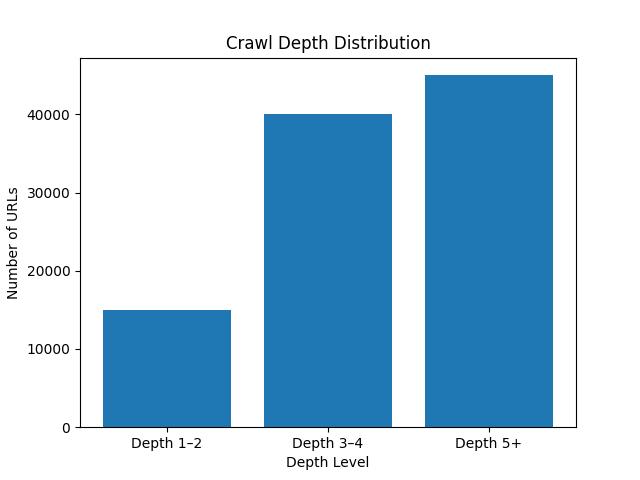
The current site structure follows a typical Shopify hierarchy, however internal linking and URL paths are creating inefficiencies in how authority flows across key pages.
Key Issues Identified
- Products linked via multiple collection paths
- Inconsistent internal linking structure
- Potential orphan or low-linked pages
- Over-reliance on navigation vs contextual linking
Suggested Fixes
- Standardise internal links to canonical product URLs
- Strengthen contextual internal linking from collections
- Reduce unnecessary navigation depth
- Ensure key pages are within 2-3 clicks from homepage
6. Metadata & Heading Structure
Medium PriorityMetadata and heading structures are generally present but show inconsistencies across templates, particularly on collection and product pages.
Key Issues Identified
- Duplicate or similar title tags across collections
- Meta descriptions missing or not optimised
- Multiple or missing H1 tags on some templates
- Heading hierarchy inconsistencies (H1 -> H3 jumps)
Suggested Fixes
- Implement unique, keyword-focused titles per page
- Standardise meta description templates
- Ensure one clear H1 per page
- Fix heading hierarchy across templates
7. Structured Data & Technical Signals
Medium PriorityStructured data and technical signals are partially implemented but not fully leveraged to support search visibility and rich results.
Key Issues Identified
- Missing FAQ / rich result schema opportunities
- Inconsistent breadcrumb structured data
- Limited use of enhanced product schema fields
- Console errors and CSP issues affecting script execution
Suggested Fixes
- Implement FAQ schema on key collection pages
- Standardise breadcrumb structured data
- Enhance product schema (ratings, availability, pricing)
- Resolve CSP and JavaScript console errors
8. Robots.txt, Sitemap & Indexing Signals
High PriorityCrawl control mechanisms such as robots.txt and XML sitemaps play a key role in guiding search engines toward important pages and away from low-value URLs.
Key Issues Identified
- Parameter and app-generated URLs not restricted
- No clear sitemap prioritisation strategy
- Potential mismatch between indexable pages and sitemap inclusion
Suggested Fixes
- Refine robots.txt to block unnecessary parameters and app paths
- Ensure only indexable URLs are included in XML sitemaps
- Segment sitemaps by page type (products, collections)
9. Mobile Usability
High PriorityMobile performance and usability are critical ranking factors, particularly for eCommerce stores where the majority of traffic is mobile.
- Heavy scripts affecting mobile responsiveness
- Potential layout shifts from dynamic elements
- App-driven UI components increasing load complexity
- Prioritise mobile-first performance optimisation
- Reduce JavaScript execution on mobile
- Test key templates across real devices
10. Security & Technical Integrity
Medium PriorityTechnical stability and security signals contribute to both SEO and user trust.
- Content Security Policy warnings and inline script blocking
- Third-party script conflicts (Judge.me, tracking scripts)
- Unused or incorrectly preloaded resources
- Resolve CSP conflicts and inline script violations
- Fix third-party script errors
- Remove or correctly configure unused preloads